
What players say
Cube Flip 3D Arcade Runner does one thing and does it clearly. The cube moves on its own, a tap flips it, and the path punishes late reactions. Minimalist visuals keep the focus on upcoming obstacles, while rising path complexity gives the difficulty room to grow. It suits players who like reflex tests and short sessions. Anyone seeking story, upgrades, or varied modes will find it intentionally bare.
About this game
One-Tap Movement and Core Objective
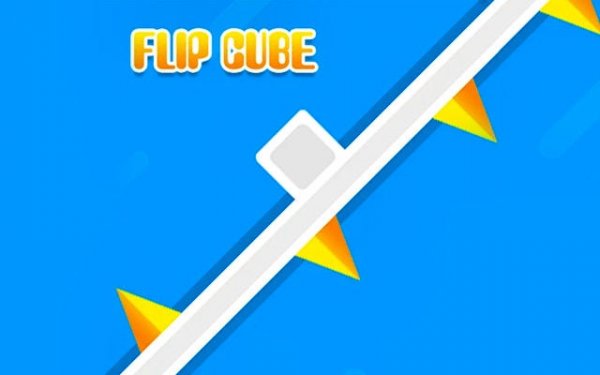
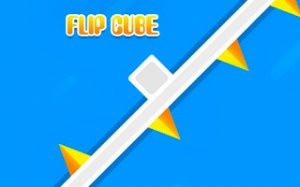
Cube Flip 3D Arcade Runner places a cube on a ribbon-like path suspended in space. The cube moves forward automatically; the only input is a tap or click that flips it to the opposite side of the path. The objective is to keep moving without falling off or hitting an obstacle. Distance traveled becomes the score, so survival and precision are the same thing.
Path Design and Escalating Difficulty
Early paths are wide and forgiving, giving you room to learn the flip timing. As you progress, the route narrows, turns sharpen, and obstacles sit closer together. Gaps in the path force you to flip at the right moment rather than react late. Because the course changes with each level, you cannot memorize a single layout; you read the upcoming geometry and commit to a tap.
Visual Style and Feedback
The minimalist 3D presentation strips away clutter. Clean shapes and smooth animations make each flip readable, so a mistake feels like a timing error rather than a hidden hazard. That clarity matters in a reflex game: when the screen stays simple, your attention stays on the path ahead.
Session Length and Skill Curve
Runs are short by design, which suits quick breaks as well as longer play. The difficulty rises steadily, so improvement comes from sharper anticipation and calmer hands. Players who enjoy reaction-based challenges and simple controls will get the most from it; those wanting story or complex systems will find it deliberately bare.
Compatibility
FAQ
Player comments
Sign in to comment
You must be logged in before posting a review or rating.
No comments yet. Be the first to comment!






Editorial Notes