
What players say
Princess Kitchen Organization Game succeeds by making a routine activity feel purposeful. The step-by-step design encourages careful thinking without stress, and the bright, clean art style creates a welcoming atmosphere. It is especially good for young players learning to follow instructions, but adults seeking a relaxing puzzle will also appreciate its straightforward charm. The game respects the player's pace and rewards patience, making it a standout in the casual puzzle genre.
About this game
A Gentle Puzzle with a Purpose
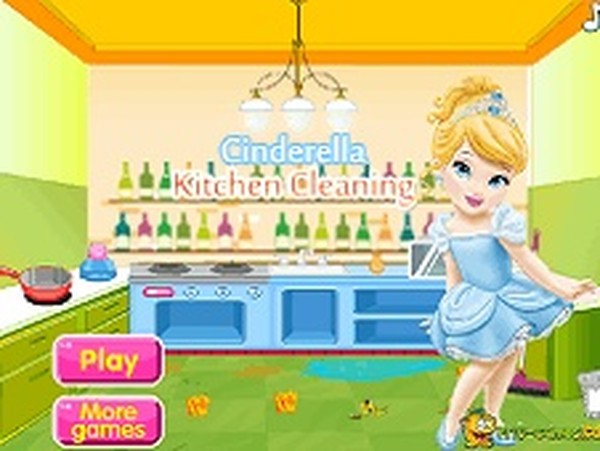
This game takes the familiar concept of tidying up and wraps it in a charming storybook setting. Players assist a princess character in restoring order to her kitchen, one task at a time. The core loop is simple: each new step builds on the previous one, creating a clear path from a messy room to a spotless space. There are no timers or fail states, so the experience remains relaxed and accessible. The game encourages players to think sequentially and pay close attention to details, making it a gentle introduction to puzzle-solving for younger audiences or anyone seeking a low-stress activity.
Visual Charm and Atmosphere
The kitchen is rendered in bright, inviting colors with a clean art style that suits the fairy-tale theme. Every surface, from countertops to cabinets, is drawn with care, making the environment feel welcoming rather than chaotic. The princess character is depicted in a friendly, approachable manner, adding a layer of warmth to the proceedings. This visual approach helps transform what could be a mundane chore into a pleasant, almost meditative experience. The design avoids clutter and keeps the focus on the tasks at hand, which helps players stay engaged without feeling overwhelmed.
Step-by-Step Task Design
Rather than presenting a list of chores all at once, the game introduces tasks one at a time. Players might first pick up scattered items, then wipe down counters, and later arrange utensils. Each completed action unlocks the next, creating a natural sense of progression. This structure teaches players to follow a logical order, as some steps depend on earlier ones. For example, sweeping the floor might only be possible after larger items are cleared away. The step-by-step format also makes the game easy to pick up and put down, ideal for short play sessions.
Accessible Controls and Feedback
Interaction is handled through simple mouse clicks or taps, making the game playable on both computers and touchscreen devices. Visual arrows and brief text prompts guide each action, so players always know what to do next. The feedback is immediate: a surface becomes visibly cleaner, an item disappears from the floor, or a drawer closes neatly. This clear cause-and-effect loop reinforces the feeling of accomplishment and keeps players motivated to continue. The controls are intuitive enough for young children, yet the systematic nature of the tasks can appeal to older players who enjoy order and completion.
Progression and Mastery
As players advance, the kitchen may present new challenges, such as more items to organize or slightly more complex sequences. This gradual increase in difficulty helps build confidence and skill. Regular practice can lead to faster completion times and a better understanding of the most efficient order for tasks. The game rewards thoroughness, as missing a step might prevent the next one from appearing. This design subtly encourages players to develop good habits, like checking each area carefully before moving on. The sense of mastery comes not from speed, but from achieving a perfectly tidy space through careful planning.






Player comments
Sign in to comment
You must be logged in before posting a review or rating.
No account? Create one
No comments yet. Be the first to comment!