
What players say
Puzzle Cascade 2 turns a simple removal mechanic into a thoughtful strategy game. The physics engine creates realistic interactions, so each level feels like a unique challenge. The gradual difficulty curve ensures beginners can learn while veterans stay engaged. The clean visuals and lack of time pressure make it perfect for relaxed play. If you enjoy puzzles that require foresight and logic, this is a solid choice.
About this game
Core Concept: Stability Through Removal
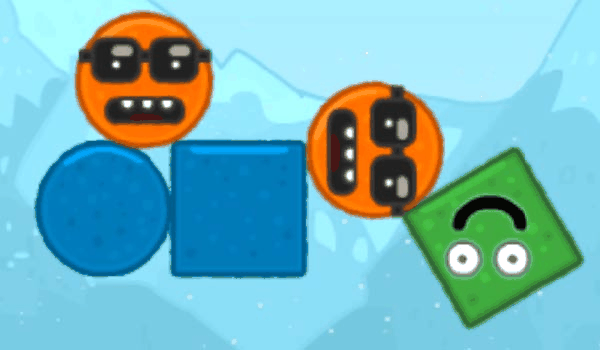
Puzzle Cascade 2 presents a straightforward objective: clear every orange block from the screen while ensuring all green blocks remain upright and undisturbed. The challenge lies in the physics engine, which simulates gravity and collisions. Removing one block can cause a chain reaction, toppling others or shifting the entire structure. Players must think several steps ahead, considering how each removal affects the stability of the whole arrangement. This mechanic transforms a simple tap into a strategic decision.
Physics Engine: Realistic Interactions
The game relies on a physics system that governs how blocks fall, slide, and collide after each removal. When a block is tapped, it disappears, and the remaining blocks respond to gravity in real time. This creates unpredictable outcomes, as blocks may roll, stack, or tumble in ways that are not immediately obvious. The physics engine adds a layer of depth, rewarding players who understand how weight distribution and support points affect stability. Each level feels like a miniature construction experiment.
Level Design: Gradual Complexity
Levels start with simple arrangements of a few blocks, allowing newcomers to grasp the basic mechanics. As players advance, structures become more intricate, with blocks placed at angles or stacked in precarious towers. The difficulty curve is gentle but consistent, introducing new configurations that require more careful planning. Some levels may include multiple layers or blocks that are partially hidden, forcing players to examine the layout from different angles before making a move. This progression keeps the experience fresh without overwhelming the player.
Visual Style: Clean and Soothing
The graphics use bright, solid colors with minimal shading, making blocks easy to distinguish. The background is kept simple to avoid visual clutter, helping players focus on the puzzle. When blocks fall, they produce soft visual feedback, such as slight bounces or settling sounds, which reinforce the physics simulation without being distracting. The overall aesthetic is calm and inviting, suitable for short play sessions or longer periods of focused problem-solving.
Pacing: No Rush, All Strategy
There are no timers or countdowns, so players can take as long as they need to evaluate each move. This relaxed pace encourages thoughtful analysis rather than quick reflexes. The game provides immediate feedback after each tap, allowing players to see the consequences of their choices and learn from mistakes. This design makes the game accessible to casual players while still offering enough depth for puzzle enthusiasts who enjoy planning and optimization.







Player comments
Sign in to comment
You must be logged in before posting a review or rating.
No account? Create one
No comments yet. Be the first to comment!