

What players say
Outpost Guardian succeeds by making every tap count. The resource management mechanics force you to think about when to use power-ups, while the ally system provides meaningful choices without overwhelming you. Stage design is thoughtful, with a smooth difficulty curve that teaches you new mechanics gradually. The bright, family-friendly art style keeps the experience light. This is a game that respects your time, offering satisfying sessions that can be as short or long as you like. A solid choice for anyone seeking a thoughtful quick-tap experience.
About this game
Core Gameplay Loop
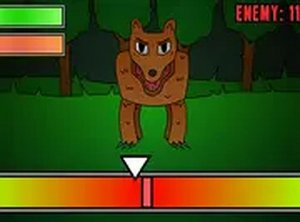
Outpost Guardian centers on a simple yet engaging cycle: tap to interact with threats, then decide how to use your limited resources. The game presents waves of troublemakers that require precise taps to subdue. Between these bursts of activity, you manage a small inventory of tools and power-ups. This rhythm of action and planning keeps each session fresh. Players must gauge when to conserve items for tougher encounters and when to use them freely. The interface is clean, with clear visual cues that help you track your progress and remaining supplies.
Resource Management Mechanics
Resources in Outpost Guardian are not just about clicking faster. You collect currency and special items as you progress. These can be used to upgrade your primary tool or to purchase temporary boosts. The key is balancing immediate needs against long-term goals. For example, spending all your currency on a quick power-up might leave you short for a later upgrade that could make future stages easier. This system rewards players who think ahead. Even simple choices, like which tool to enhance first, can change how you approach each stage.
Ally System and Team Composition
As you advance, you may encounter characters who offer to join your cause. Each ally brings a unique ability that can shift the tide of a difficult encounter. Some allies might slow down enemies, while others could increase your tapping efficiency for a short time. Learning which allies work well together is part of the strategic depth. You can swap allies between stages to adapt to different challenges. This system encourages experimentation, as no single team works best for every situation. The game provides enough variety to keep team building interesting without overwhelming you with choices.
Stage Design and Difficulty Curve
The stages in Outpost Guardian are structured to gradually introduce new elements. Early stages focus on basic tapping and resource collection. Later stages add tougher foes that require more taps to subdue, as well as environmental obstacles that affect your strategy. Each area is guarded by a leader character who requires a different approach. Some leaders might be vulnerable to specific tools or ally abilities. The difficulty curve is smooth, giving you time to master new mechanics before they become essential. Replaying earlier stages can yield extra resources, which helps if you feel stuck.
Visual Style and Family Appeal
The game uses a bright, cartoon-like art style that keeps the tone light and approachable. Characters are designed with exaggerated features that make them easy to identify. Animations are smooth but not overly complex, ensuring the game runs well on various devices. The family-friendly presentation means there is no graphic content. Sound effects are cheerful and responsive, providing satisfying feedback for each tap. The overall atmosphere is one of playful challenge rather than intense conflict, making it suitable for players of all ages who enjoy a mix of action and thinking.







Player comments
Sign in to comment
You must be logged in before posting a review or rating.
No account? Create one
No comments yet. Be the first to comment!